By Sarah Newton, parent of two precious teenagers, Begbie View Elementary teacher, North Columbia Environmental Society board member, dairy eater, ferry taker, and consumer
This article first appeared in print in the January 2019 issue of Revelstoke Mountaineer Magazine. It was part of our January Green Issue supplement, which featured stories with an environmental focus.
To say that I despair over the condition of the environment is an understatement. There is a cognitive dissonance between what we want for the world and what we actually do. We need bees to pollinate, water worth drinking, clean air for our grandchildren, and our favourite wild places to stay wild. But what do we do? Continue with business as usual. We are not changing our ways.
The only thing that keeps me from the abyss of gloom is my students. They are the champions of all that is good, with deep empathy for other living creatures. They rush in to show me a beautiful leaf that they found at recess or tell me they saw an eagle fly by. If someone had the heart to tell them about the misery that must happen to create industrial milk, they wouldn’t drink another glass. Or if they understood that the sound of boat motors makes marine animals unable to hunt or fend off prey, they wouldn’t get in another boat.
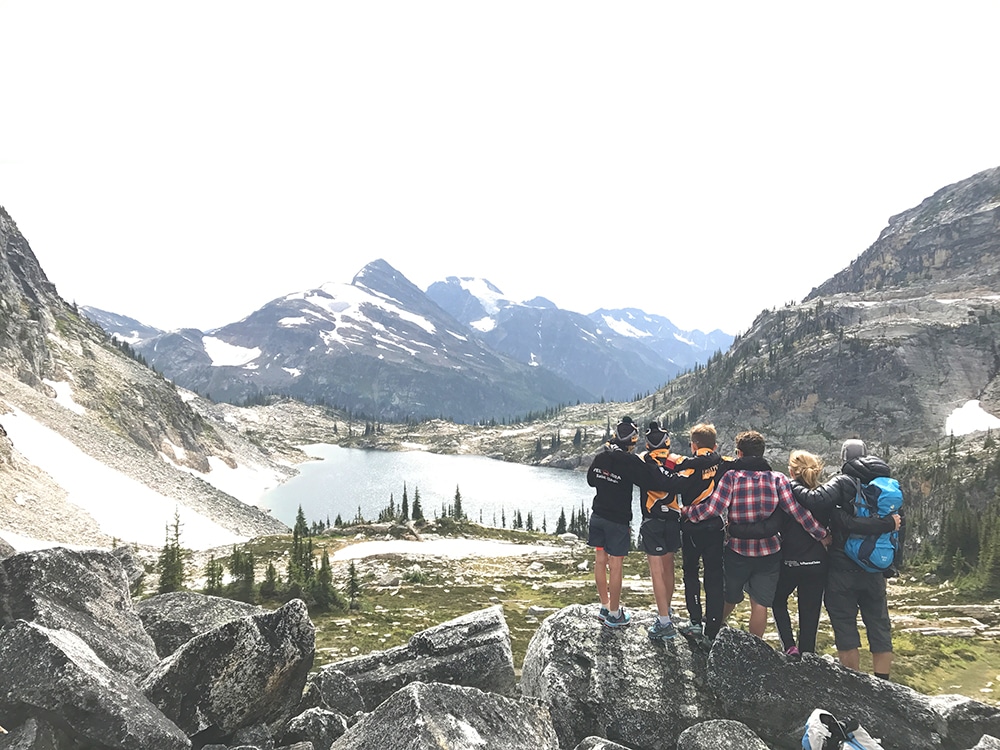 My students, with no coercion, want to do the right thing: to be a friend to nature. But we go to great lengths to hide the true cost of things from them. I speculate that society does this to kids long enough for them to become like us — callous to our enormous ecological footprint. It’s just easier to not think about things too deeply.
But while they are children, our young people are amazing. They demand to compost in class, use towels instead of paper, raise money for wells in Tanzania, reuse school supplies from the year before, ditch Ziploc bags, and above all, they are eager to protect habitat.
When I ask children what worries them, they tell me two things: family and the environment. They hold deep sorrow and worry about the world they will inherit. They also don’t understand how the people who love them seem to disregard climate change, extreme weather events, and resource depletion. The adults that steer them through all their present fears don’t take clear action to be part of the solution in this current crisis. The more complex our children’s thoughts become, the more illogical this divide becomes. Kids realize that they are left with no choice but to join the rest of society, embracing pragmatism while ignoring the dire warnings that come to their ears from every angle.
We were all once like my ten-year-old students: finding joy in the natural world. How do we remind ourselves about what is truly important? How do we get back to feeling empathy for the other creatures that share this planet? And take action to do the least harm to them?

So what do I tell my students when they confide their deep fears to me about the environment? This is what I do: I hold up my audacious iPhone and tell them that if this phone can be invented, we can solve the current problems of the world. That device my hand can do the most complex actions. Figuring out how to reduce emissions isn’t rocket science in comparison. This comparison helps kids understand that it’s not the way that’s the problem, it’s the will that’s the hitch. This leads to the second thing I tell my students: they need to use their abundant skills to rant, whine, and temper-tantrum their way into championing game changing roles. They need to lobby parents and their leaders into action. We try to reduce waste in our classroom and we also become pen pals with our elected officials and corporations. We write letters, for example, to the federal government asking them to restrict single use plastics, and the municipal government to thank them for pesticide-free playing fields.
I am not perfect; I fly in airplanes and use more than my share of the planet’s finite resources. But when I look back on my life, I want to be able to tell my grandchildren that I truly made an effort to be part of the solution to civilization’s woes.
Let’s be real heroes to our children. Let’s join them as champions of the environment. Let’s see with a lens that view every choice, every action, every dollar we spend as a vote for what we believe in. Let’s stop blaming others and rationalizing away our lifestyles. If not you, then who? If not now, then when?
For more in depth information on this subject, do a video search for The Story of Stuff and The Story of Solutions.
What did you think of this story?
Your feedback after we publish a story helps ensure we're always improving our reporting to better serve you